The Casual Corruption of a Word
They call us Nazis — loudly, casually, as if the word just means “someone I disagree with.”
Meanwhile, they chant “From the river to the sea,” a slogan that, for many Jewish people, means erasure.
The irony isn’t just thick. It’s dangerous.
What Nazis Actually Were
Nazis weren’t a vibe. They were a regime built on propaganda, dehumanization, and extermination.
They didn’t tweet insults — they passed laws that stripped rights, silenced dissent, and reduced human beings to categories on a clipboard.
They weaponized language first, then policy, then bullets.
And let’s be clear — they didn’t stand for secure borders.
They stood for invading others.
Their ideology was built on Lebensraum — the pursuit of “living space” through conquest and displacement. They didn’t defend their borders; they erased others’.
Their goal wasn’t national preservation. It was racial domination.
They believed entire populations existed to be erased or enslaved in service of their ideology.
The Brownshirts, the paramilitary enforcers of the Nazi Party, carried out that vision in the streets. They intimidated, attacked, and silenced opponents, paving the way for totalitarian control.
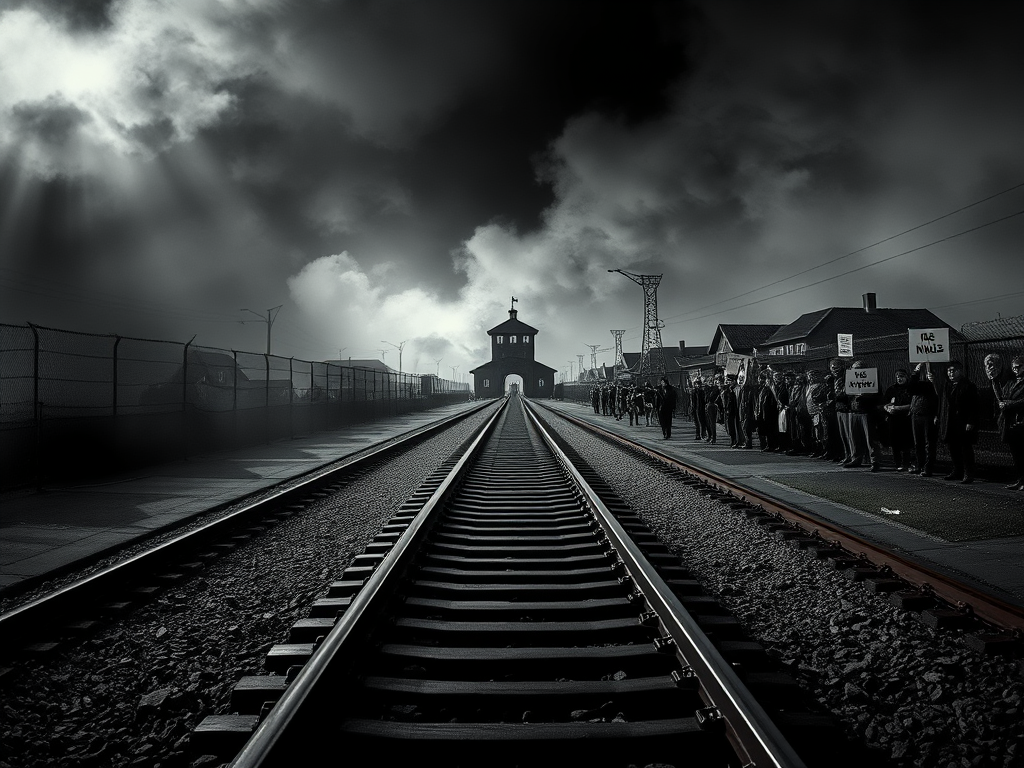
Auschwitz wasn’t a metaphor — it was the end of that progression, a system of industrialized murder built on the belief that some lives were less than human.
So when you call someone a Nazi for wanting secure borders, you’re not invoking history — you’re erasing it.
Nazis didn’t defend sovereignty. They destroyed it.
Calling someone a Nazi while chanting slogans that erase Jewish people isn’t resistance.
It’s projection — and historical amnesia.
The Inversion of Anti-Fascism
“From the river to the sea” isn’t a call for coexistence. It’s a call for removal.
They label Trump and ICE as Nazis while supporting anti-Israel policies and parroting slogans that erase Jewish people from the map.
Some factions even engage in street intimidation, property destruction, and violent confrontations — tactics that echo the Brownshirts, the paramilitary enforcers of the Nazi Party. The Brownshirts didn’t defend borders; they enforced ideology through fear, chaos, and coercion. When modern activists mimic these methods while claiming moral authority, the comparison isn’t flattering — it’s revealing.
That’s not anti-fascism. That’s inversion.
If your activism erases Jews, and your tactics resemble the enforcers of historical tyranny, you’re not resisting Nazism.
You’re rehearsing the playbook.
The Echo of Tyranny
History isn’t a costume. It’s a warning.
If you don’t know what a Nazi is, you don’t know what you’re invoking.
And if you chant for erasure while calling others Nazis —
you’re not resisting tyranny.
You’re echoing it.