TruthIsCompassion.com
Compassion Isn’t Compliance. Truth Isn’t Optional.
Category: Politics & Culture
-

Trump is giving Iran the one resource it knows how to weaponize: time. This is not an argument against pressure or against stopping a nuclear Iran. It is an argument against delay, half-measures, and negotiations that let the regime survive while ordinary Iranians pay the bill.
-
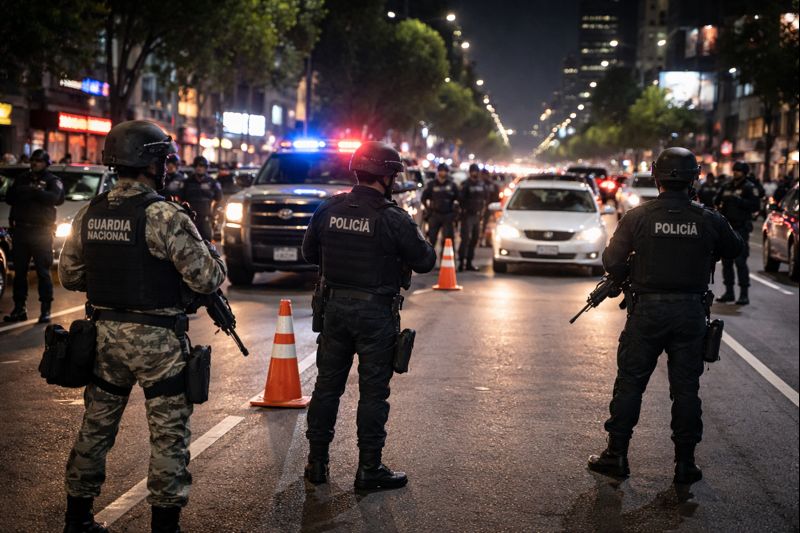
When a vehicle is used as a weapon against law enforcement in Mexico, the response is immediate and unambiguous. The law treats the act as lethal force, and officers are authorized to respond accordingly. There is no cultural debate, no narrative fog, and no public negotiation over consequence—only enforcement.
-

History teaches us that demoralizing troops and undermining national resolve rarely announces itself as betrayal. Sometimes it arrives dressed as moral concern and political dissent. When a sitting senator uses his authority as a veteran to erode military discipline and border security, the comparison becomes unavoidable.
-

Somewhere along the way, racism stopped being about what people do and became about who they are. When guilt is permanent and inherited, nothing improves. If the answer is always “you are the problem,” behavior, intent, and effort stop mattering—and conversation collapses into confession.
-

Not every tragedy creates an obligation to act elsewhere. When distant violence is framed as universal impact, empathy is no longer voluntary—it is conscripted. This rhetorical move doesn’t clarify responsibility; it bypasses it, converting sympathy into compliance while pretending that geographic and political boundaries no longer matter.
-

The left threatens to flee America constantly—until deportation becomes reality. Then exile is suddenly oppressive. They romanticize other countries to shame the U.S., but cling to freedoms they claim to despise. From Newsom’s gerrymandering to contradictory border stances, it’s never about principle—it’s about controlling the narrative while demanding you surrender yours.
-

When viral threats of looting collide with delayed SNAP benefits, stores don’t wait—they retreat. Retailers track theft, weigh risk, and pull out fast. The result: boarded windows, empty shelves, and neighborhoods cut off from essentials. This isn’t panic—it’s profit logic. And the fallout lands hardest on those left behind.
-

Freedom demands sacrifice—financial, physical, and moral—but its reward is unmatched. A self-reliant person and a self-sufficient nation live without fear or manipulation. True freedom isn’t comfort; it’s control of your future, security in your strength, and independence from the whims of foreign powers and cheap dependence.
-

raffic stops, public safety, and crime investigation reveal a spectrum of authority. From the vulnerability of being pulled over to witnessing officers manage chaos, and the precision of detectives behind the scenes, perceptions shift with context. Admiration, skepticism, and vigilance coexist, showing that authority is neither monolithic nor predictable—it reflects action, intent, and the system…
-

Clarity Without Creed “I’m not a Christian. I don’t need to be.” That sentence tends to disarm both sides. To some, it signals secular independence; to others, moral drift. But in this case, it’s neither. It’s simply a declaration that conviction doesn’t require creed. On this point, the Bible’s clarity matches my own moral code.…