TruthIsCompassion.com
Compassion Isn’t Compliance. Truth Isn’t Optional.
Category: Politics & Culture
-
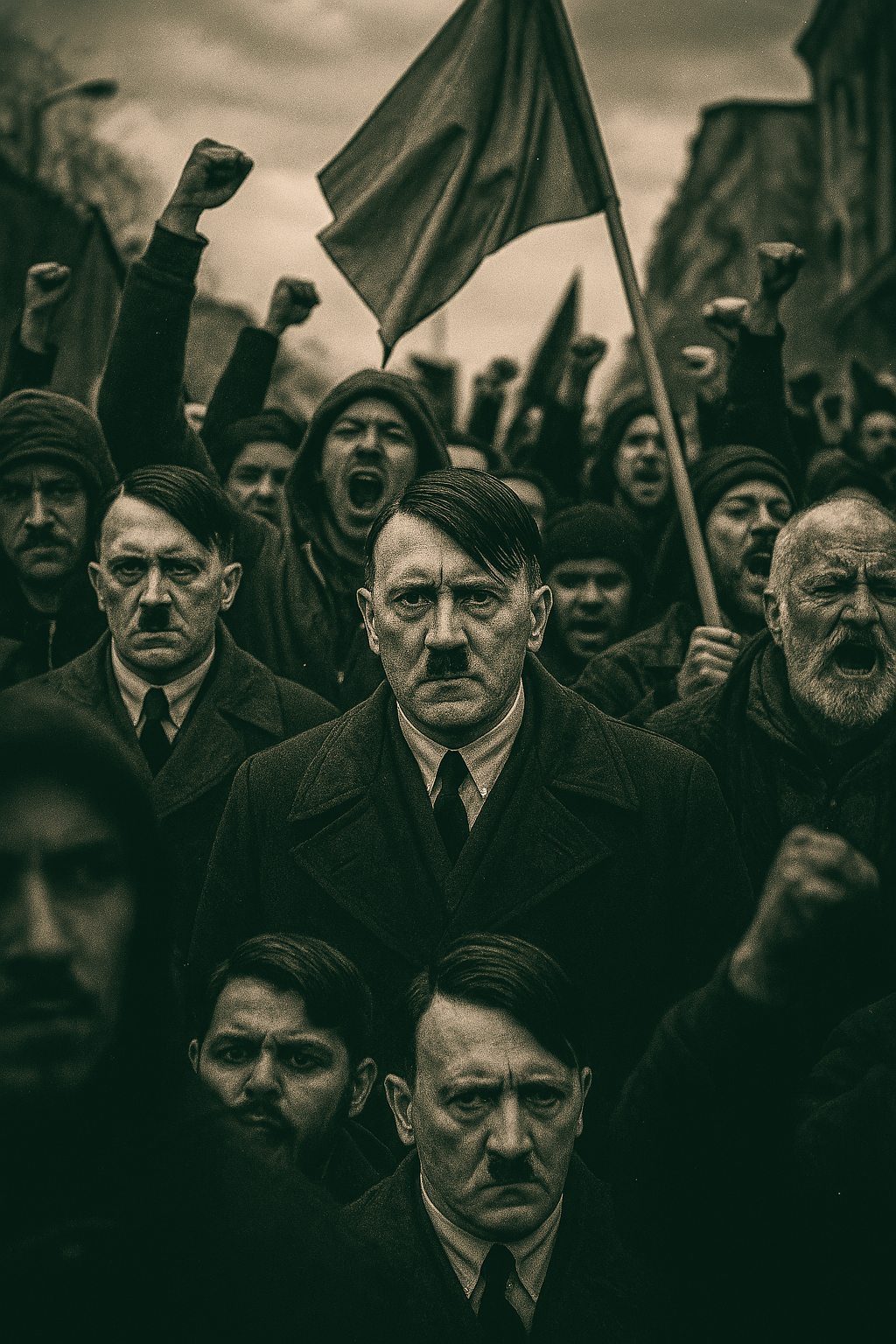
They call us Nazis casually, while chanting slogans that erase Jewish people. Nazis weren’t about borders — they were about conquest, racial domination, and industrialized murder. Modern activists who mimic coercive tactics while claiming moral authority aren’t resisting tyranny; they’re projecting it, rehearsing the very playbook they claim to oppose.
-

We once raised children who scraped their knees, fixed what was broken, and learned through consequence. Now we raise adults who demand comfort, mistake discomfort for trauma, and treat effort as oppression. The erosion of trust begins early — not in failure, but in our refusal to let anyone fail. We have traded resilience for…
-

Blacks don’t get to define the fatigue you cause. A Black commentator recently tried to explain “Black fatigue” as a reaction to a small percentage of loud, disruptive individuals. But that framing is a diversion — a rhetorical sleight of hand that cherry-picks a sliver of the problem while ignoring the broader cultural patterns that…
-

The “no kings” movement claims to reject authority, yet cheers for state control over healthcare, education, media, and wealth. They dismiss Libertarianism—the only true anti-authoritarian philosophy—as a wasted vote. What they want isn’t freedom from kings. They want their own crowned in ideology and armed with bureaucracy.
-
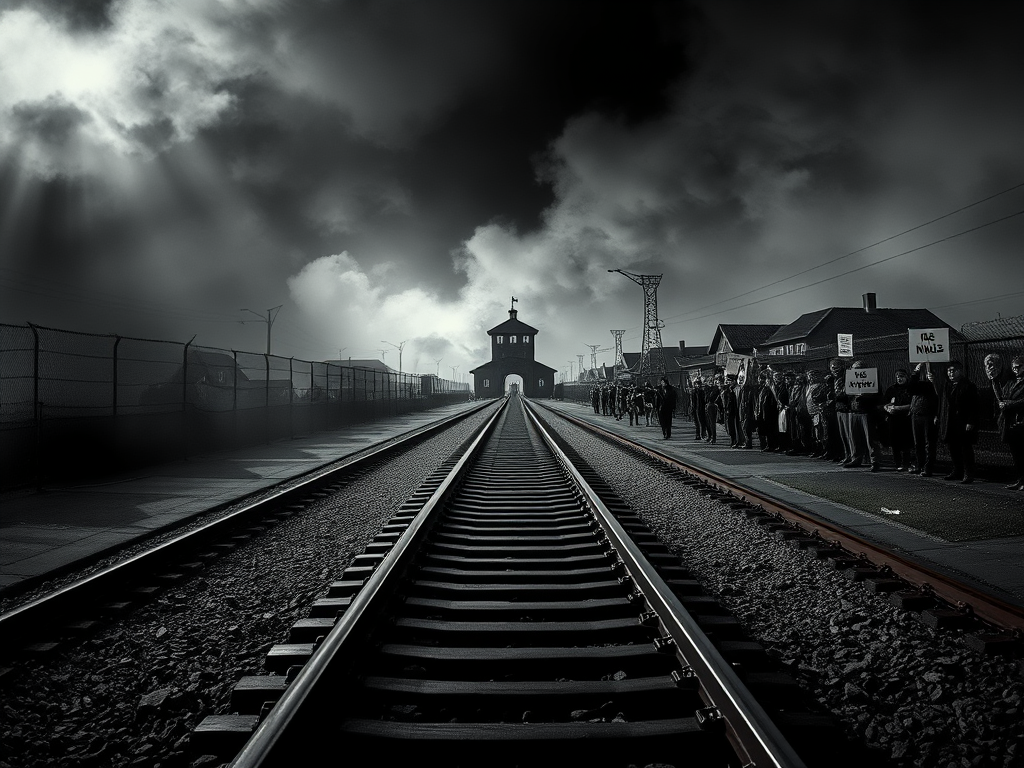
The word “Nazi” once described a lethal, organized ideology responsible for genocide. Today, it’s tossed around as a mood, applied to anyone who disagrees. This rhetorical inflation erases historical clarity, trivializes real evil, and risks blunting our ability to recognize authoritarianism when it returns.
-

Why Precision Still Matters in a World Obsessed with Reframing “Ax me a question.”No. You can’t. Not here. Not in my space. Not in a conversation where rhythm, clarity, and intent still matter to me. I don’t care what the linguists say. I don’t care that Chaucer used it, or that it appears in early…
-

People flee their homelands for liberty, opportunity, and relief from oppression. But too often, they arrive in America and try to reimpose the very systems they escaped—gun control, bloated taxes, cultural restrictions, and religious dominance. You came for freedom. Don’t drag tyranny with you.
-

Language shapes thought—and when language is twisted, so is perception. Euphemism doesn’t clarify; it clouds. Words once sharp enough to define reality are now softened into moral fog, dulling our ability to see clearly or speak honestly. The “fog of words” isn’t confusion—it’s control disguised as compassion.
-

Comfortable, documented guests waving borrowed grievances are not victims—they’re saboteurs of clarity. By mimicking the fear script of unlawful entry, they collapse law into sentiment and turn America’s generosity into a weapon against itself. Sovereignty is not optional, and emotional blackmail cannot erase the border that made opportunity possible.
-

align with the Republican Party, believing in personal responsibility, limited government, and property rights, but I reject the idea that morality must be divinely dictated; my ethics are self-regulated. And yet, I fully endorse one idea often associated with the political left: Tax the churches. And tax the businesses they own.